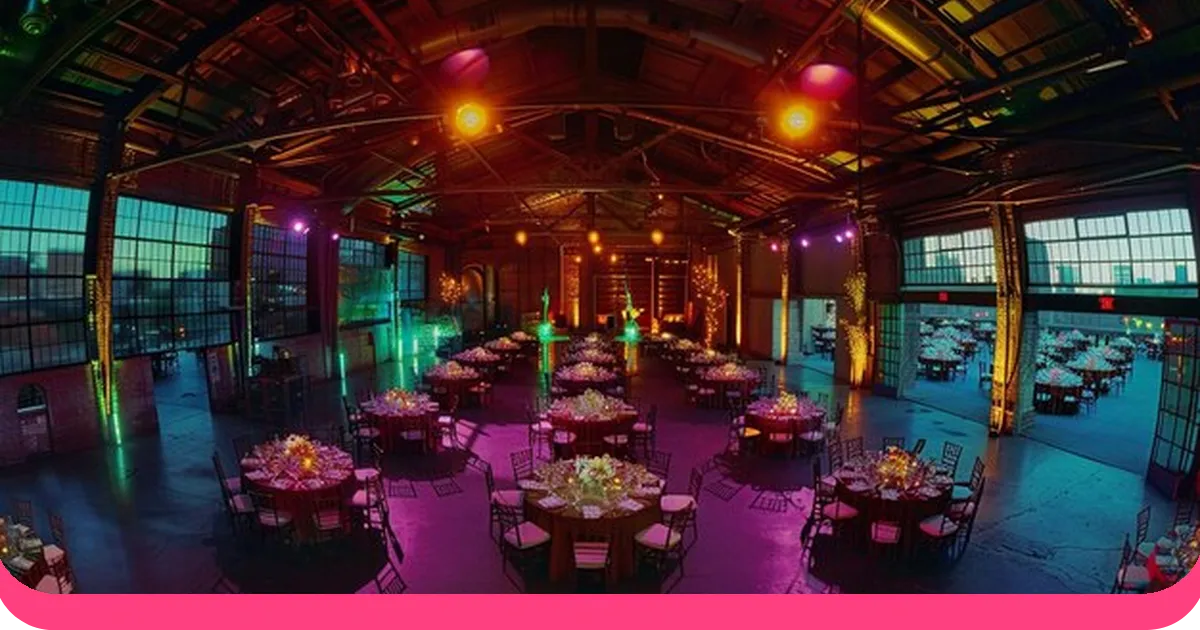



Most event problems are visible weeks in advance. A venue that was never confirmed. A catering order based on the wrong headcount. An AV setup nobody tested. The difference between a smooth event and a stressful one usually comes down to whether someone had a checklist, and actually used it.
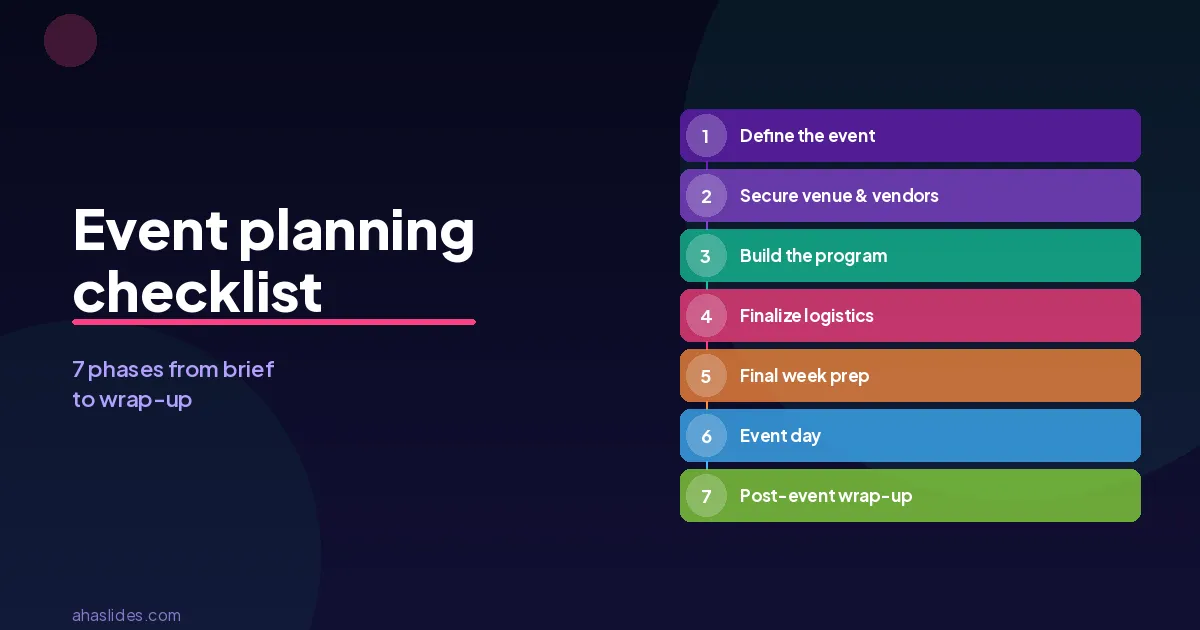
This guide gives you a working checklist organized by phase, from the first planning conversation to post-event wrap-up, so nothing falls through at the moment it matters most. The U.S. event management industry was valued at $285 billion in 2024, and at that scale, a missed task is a real cost [1]. Here is the framework they use.
Why a checklist matters more than you think
About 58% of event planners report exceeding their budgets due to last-minute vendor changes or costs they did not anticipate [2]. Another 61% cite logistical issues as their biggest planning headache [2]. Both problems share a root cause: tasks that were not identified early enough to be managed properly.
A checklist does three things a mental to-do list cannot: it externalizes responsibility so nothing lives in one person's head, it creates a shared reference point across a team, and it makes the difference between a missed task and a managed one visible before it becomes a crisis.
The more people involved in an event, the more a written checklist matters. When three people each assume someone else handled the AV confirmation, nobody handled it.
Phase 1: Define the event (10–12 weeks out)
Everything downstream depends on what you decide here. Vague goals produce vague plans.
Set your objectives. What does success look like? For a product launch, it might be a specific number of demos booked. For a team offsite, it might be a post-event engagement score above a threshold. Write it down in one sentence.
Start by locking in the basics: the date and time (checking for conflicts with holidays, industry events, and internal calendars), estimated attendance, event format (in-person, virtual, or hybrid), and a budget ceiling with sign-off before any vendor conversations begin.
Identify your decision-makers. Who approves the venue? Who signs vendor contracts? Who has final say on the program? Knowing this early prevents delays later.
Assign an event lead. Even if planning is shared across a team, one person needs to own the master checklist and be the final coordinator. Shared ownership with no single accountable person is how things fall through.
Phase 2: Secure the venue and anchor vendors (8–10 weeks out)
Popular venues book out six to twelve months in advance for peak seasons [3]. If you are working on a shorter timeline, widen your search immediately.
When evaluating a space, confirm that capacity matches your estimated headcount with room for last-minute additions, check whether in-house AV, catering, or preferred vendor lists apply (these often carry cost implications), verify accessibility for parking, public transit, and ADA compliance, review the contract for cancellation terms and payment schedule, and get the venue layout in writing so you can plan the room setup before you sign.
On the vendor side, confirm your catering headcount estimate, dietary requirements, and service style. Lock in AV and tech requirements: microphones, screens, livestream if needed, and internet bandwidth. Book photography or videography if required, and confirm any entertainment, speakers, or facilitators at this stage.
AV costs typically represent 15–25% of total event spend and are one of the most common sources of budget overruns [2]. Get itemized quotes, not package estimates, and ask specifically about setup time and strike charges.
Phase 3: Build the program and manage attendees (6–8 weeks out)
Draft a run-of-show: a minute-by-minute schedule from load-in to the last person out. Confirm speakers, facilitators, and presenters, and collect their bios, headshots, and AV requirements. Build buffer time between sessions since back-to-back schedules fall apart under real conditions. Identify who will MC transitions between sessions.
Open registration if applicable and set RSVP deadlines. Set up a confirmation and reminder email sequence rather than a single confirmation. Plan for no-shows: typical attrition for professional events runs 15-25%. Prepare a guest list that captures dietary restrictions, accessibility needs, and VIP notes.
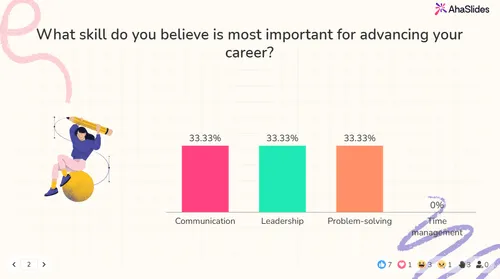
Engagement planning. This is often left to the last minute, which is why most corporate events feel passive. If you want people to do something other than sit and listen, design that into the program now. Live polls, Q&A, small group discussions, and audience response tools need to be built into the agenda, not improvised from the stage. AhaSlides integrates directly into presentations and lets you run live polls, open-ended questions, and word clouds without switching apps, so you can embed interaction at the points in the program where you want it.
Phase 4: Finalize logistics and communications (3–5 weeks out)
Send the confirmed headcount to catering, share the run-of-show with the AV team and venue coordinator, confirm load-in and setup times with all vendors, and collect certificates of insurance if your venue requires them from vendors.
Run a full budget reconciliation against your actual vendor quotes at this stage. The standard recommendation is to hold 10-15% of total event budget as contingency. If you have not built that in, do it now before the remaining spend locks in.
Send attendees the event details: location, parking, schedule, and what to bring. Set up a day-of contact number or help desk for attendee questions and prepare a FAQ for anything likely to come up repeatedly.
Distribute role assignments for event day, share the run-of-show with everyone involved, and clarify escalation paths in advance: who handles a vendor no-show, a technical failure, or a medical situation.
Phase 5: Final week prep
Reconfirm all vendors with final headcount and logistics details and send a reminder to attendees. Print or finalize all signage, name badges, and printed materials. Confirm staff and volunteer schedules.
Do a venue walkthrough to check room setup, AV, signage placement, and the registration area. Test all technology: microphones, presentation displays, polling tools, and livestream. Stage all supplies including registration materials, lanyards, swag, and printed agendas. Brief any day-of staff who were not part of earlier planning.
Phase 6: Event day execution
The checklist function on event day shifts from planning to monitoring. Your job is to identify problems early enough to solve them before they affect attendees.
Walk every space before doors open: registration, main room, breakout rooms, catering area, and restrooms. Confirm catering delivery and setup matches the order. Test the AV one final time with the actual presentation files, not a placeholder. Brief the registration team on the check-in process and any VIP arrivals.
Keep a copy of the run-of-show on hand and track timing throughout. Assign one person to be the venue point of contact. Monitor registration flow and flag any access issues early. Collect real-time feedback if you are running live polling, since this gives you data while the event is still happening.
Thank speakers, vendors, and key staff before the room clears. Collect any materials left behind and confirm vendor strike schedules and any post-event access needs.
Phase 7: Post-event wrap-up
The event is over, but the planning cycle is not. What you do in the 48 hours after determines how useful this event is as a reference for the next one.
Send thank-you notes to speakers, sponsors, and key partners within 24 hours. Get the post-event survey out the same day since response rates drop significantly after that window closes. Note any vendor performance issues while they are fresh. Reconcile the final budget against actuals, compile feedback results, and share a summary with stakeholders. Document what worked and what to change: this debrief is the most valuable thing you can produce for the next event.
Survey design note. Post-event surveys work best when they are short, specific, and sent the same day. Five to seven questions is enough. Ask about overall satisfaction, specific session quality, logistics, and intent to attend again. AhaSlides lets you run the closing survey on-screen as the last item in the program, while people are still in the room and paying attention, which consistently outperforms the follow-up email that lands when they're already back at their desks.

A note on timeline flexibility
The phases above assume eight to twelve weeks of lead time, which is the practical minimum for a professional event with 50 or more attendees [3]. For larger conferences or multi-day events, extend the timeline: anchor vendors twelve to eighteen months out, open registration six months out, and begin the final-week checklist ten days early.
For smaller internal events (team meetings, offsites under 30 people), compress the timeline but keep the structure. Skipping phases is not the same as adapting to a shorter lead time. Even for a 15-person offsite, confirming the venue, testing the tech, and briefing participants in advance avoids the same categories of problems.
Common mistakes to avoid
Even experienced planners run into the same traps repeatedly. Here are four worth knowing before you start.
Locking in the venue before confirming the budget. It is easy to fall in love with a space and then build the rest of the plan around it. But venue costs set the ceiling on everything else. Get written budget approval first, then begin venue conversations. This sequence gives you negotiating leverage and prevents scope creep from the start.
Underestimating the time AV setup requires. AV teams need real load-in time to run cable, test sound levels, and troubleshoot displays before anyone walks in the door. A common error is scheduling AV setup for the same window the catering team is setting up tables, leaving both teams working around each other and neither finishing cleanly. Build separate setup windows into the venue contract.
Sending one reminder and calling it communication. Attendees register and then get busy. A single confirmation email sent at registration is not enough. A reminder sequence, typically one week out, two days out, and morning-of, meaningfully reduces no-show rates for professional events. Set these up when you open registration, not the week before the event.
Skipping the post-event debrief. Teams that debrief within a week of an event document problems while details are still fresh, identify specific process improvements, and carry that knowledge into the next planning cycle. Teams that skip it start from scratch every time. Even a 30-minute debrief with the core planning team, using a shared notes document, produces more value than most planners expect.
Frequently asked questions
What is a realistic minimum lead time for a 100-person corporate event?
Eight weeks is the practical floor for an event at that scale, and only if the venue is available and vendors can be confirmed quickly. Ten to twelve weeks gives you enough time to run a proper registration process, handle dietary and accessibility accommodations, and test all technology without rushing. Anything under eight weeks means accepting meaningful risk of vendor unavailability or compressed timelines that produce errors.
How do you handle last-minute headcount changes?
Build your vendor agreements around a headcount range, not a single number. Most caterers and venues use a "guaranteed minimum" model: you commit to a floor number and can adjust upward until a cutoff date, typically 72 hours before the event. Know your cutoff dates for each vendor and put them in your checklist. For headcount drops, check your contract for the minimum guarantee before assuming you can reduce the order.
What should be in a day-of event kit?
A physical kit that stays with the event lead throughout the day should include: a printed copy of the run-of-show, all vendor contact numbers, the venue coordinator's direct line, a copy of all vendor contracts, a basic supply kit (tape, markers, scissors, extension cords), printed attendee list with VIP notes, and any printed materials for registration. Digital copies are useful as backup, but printed copies do not depend on battery life or connectivity.
Summary checklist by phase
The full sequence runs like this. Ten to twelve weeks out: define goals, confirm the date, set the budget ceiling, and assign an event lead. Eight to ten weeks out: secure the venue and lock in anchor vendors for AV and catering. Six to eight weeks out: build the run-of-show, open registration, and design the engagement plan. Three to five weeks out: confirm all logistics, send attendee communications, and run a budget reconciliation. Final week: reconfirm vendors, test all technology, brief staff, and finalize materials. On the day: walk every space, monitor timing, and escalate problems early. Within 48 hours after: send the survey, reconcile the budget, and run the debrief.
Sources
[1] Grand View Research. U.S. Event Management Market Size & Industry Report, 2033. https://www.grandviewresearch.com/industry-analysis/us-event-management-market-report
[2] Eventcombo. 7 common event budgeting mistakes that cause major overruns. https://www.eventcombo.com/a/1193/7-common-event-budgeting-mistakes-that-cause-major-overruns-
[3] Wild Apricot. The event planning checklist used by top event planners. https://www.wildapricot.com/blog/event-planning-checklist